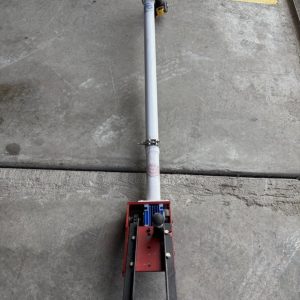
The Aircraft Electric Tow Bar – Mini Max Style is a practical ground-handling solution for aircraft owners, maintenance facilities, flying clubs, and hangar operators seeking a compact way to reposition compatible airplanes. An Aircraft Electric Tow Bar may improve daily hangar operations by providing controlled powered assistance for moving a compatible aircraft.
This Electric Tow Bar for Aircraft represents a cost-conscious option for private owners and aviation facilities that require occasional or regular aircraft movement. As a Used Electric Aircraft Tow Bar, the unit should be evaluated for operating condition, structural integrity, wheel wear, attachment compatibility, drill performance, and charger function before purchase.
The compact design of a Mini Max Aircraft Tow Bar makes it a practical option for individual aircraft owners, small maintenance shops, and shared hangar facilities. This package includes an Aircraft Tow Bar with Drill and an Aircraft Tow Bar with Charger, allowing the buyer to receive the primary powered components required for normal operation.
Because it occupies less space than many dedicated tugs, a Portable Aircraft Tow Bar may be especially useful where hangar organization and storage capacity are important. A Powered Aircraft Tow Bar may function as an effective Electric Airplane Tow Bar when properly matched to the aircraft and used according to safe ground-handling practices.
Within the category of Aircraft Ground Handling Equipment, a compact electric tow bar can provide useful movement capability without the complexity of larger powered machinery. The package may be described as an Electric Aircraft Mover because it provides powered assistance for aircraft positioning without requiring a conventional motorized tug.
Why Owners Choose a Mini Max Style Aircraft Tow Bar
The Aircraft Electric Tow Bar – Mini Max Style uses compact powered assistance to help an operator reposition a compatible aircraft with less manual effort than a conventional unpowered tow bar. Successful operation depends on matching the tow bar to the aircraft, hangar layout, surface condition, incline, available clearance, and expected movement frequency.
Private owners often prefer compact equipment when they need to align an aircraft carefully inside a limited storage area. Powered assistance does not replace careful observation, communication, and safe movement procedures around aircraft, doors, walls, vehicles, or personnel.
Electric Tow Bar for Aircraft Benefits
An Electric Tow Bar for Aircraft may support more efficient ground handling by reducing the time and effort involved in routine positioning. A powered tow bar can help maintenance teams gain access to specific aircraft areas by moving the airplane within a workshop or hangar.
Using powered towing equipment may reduce engine starts that are performed only to move an airplane a short distance. Preparation should include reviewing the aircraft condition, tow connection, ground route, braking plan, steering limits, and stopping procedure.
Buying a Used Electric Aircraft Tow Bar
The available used unit may be attractive to cost-conscious aircraft owners who want compact powered equipment in excellent operating condition. The reported six-month period of Navion use may indicate relatively limited service, although buyers should still inspect and test the complete unit.
A responsible seller should disclose known damage, repairs, missing items, cosmetic wear, operating concerns, and any limitations discovered during use. An independent inspection by a local aviation professional can provide additional confidence before payment or shipment.
Benefits of a Mini Max Aircraft Tow Bar
A Mini Max Aircraft Tow Bar is generally selected by operators who want powered movement in a compact configuration that does not occupy the floor space of a conventional aircraft tug. Operators can often position themselves where they have a clear view of the aircraft nose, tow point, nearby obstacles, and direction of travel.
A qualified person should review the attachment method and operating geometry before the tow bar is used on an unfamiliar airplane. Correct attachment selection is one of the most important factors in achieving reliable, controlled, and damage-free aircraft movement.
Benefits of an Aircraft Tow Bar with Drill
A powered drill allows the tow bar to generate controlled movement while keeping the overall system relatively compact and portable. Using the proper drill configuration helps the tow bar move smoothly while limiting unnecessary stress on the drive components and power tool.
The tow bar should be practiced without obstacles before it is used in a confined hangar or near another aircraft. Routine checks can identify worn interfaces, loose fasteners, battery concerns, damaged housings, and drive-system problems before the next aircraft movement.
Aircraft Tow Bar with Charger Package
The included charger adds practical value because the tow bar depends on reliable battery power for controlled aircraft movement. The charger should be inspected for cracked housing, bent contacts, frayed wiring, overheating, corrosion, warning lights, or previous repair attempts.
Regular charging and proper storage can help preserve battery health, particularly when the tow bar is used only occasionally. A simple pre-use charging routine can prevent interruptions and reduce the risk of leaving an aircraft in an inconvenient location.
Choosing a Portable Aircraft Tow Bar
A Portable Aircraft Tow Bar gives operators powered mobility equipment that is not permanently tied to one parking position or storage area. Before transporting the tow bar in a vehicle, it should be secured to prevent movement, impact, contamination, and damage to surrounding cargo.
Clean, dry storage can protect metal surfaces, wheels, attachments, electrical accessories, and controls from corrosion or deterioration. Proper storage and accountability help a portable system remain complete, serviceable, and available when needed.
Powered Aircraft Tow Bar Performance
The equipment can support smooth low-speed movement when the tow bar is compatible, the ground offers sufficient traction, and the operator uses gradual control inputs. Performance should be judged under realistic aircraft load check here rather than by observing the drive system running without resistance.
If the unit begins to slip, bind, lift, twist, lose traction, or behave unexpectedly, operation should stop immediately for inspection. Aircraft brakes, chocks, tie-down procedures, and facility practices should be used as appropriate after the airplane reaches its intended position.
Choosing an Electric Airplane Tow Bar
An Electric Airplane Tow Bar may be especially beneficial for aircraft that must be positioned precisely because of limited door or wing clearance. Some aircraft may require adapters, different pins, specialized brackets, wheel-pant removal, or an alternative towing method.
Hangar door tracks, transitions, ramps, and surface changes should be approached slowly and as directly as practical. Training should include normal use, emergency stopping, battery loss, traction loss, attachment inspection, and aircraft securing procedures.
Aircraft Ground Handling Equipment for Private Hangars
Private owners should consider whether they need occasional assistance, frequent daily movement, steep-slope capability, outdoor use, or commercial-level durability. A complete package with a functioning drill and charger may offer greater practical value than an incomplete tow bar with a lower advertised cost.
Replacement parts should match the tow-bar design and maintain the strength, fit, and function required for aircraft ground movement. The tow bar should remain clean enough for damage and wear to be seen rather than hidden by grease, dirt, or accumulated debris.
Aircraft Hangar Tow Bar Operations
An Aircraft Hangar Tow Bar is most useful when the aircraft must pass through a limited door opening or park close to walls, equipment, or another airplane. Before movement, the hangar door should be fully open and secured, and the planned path should be free of cords, chocks, ladders, tools, stands, and loose equipment.
Aircraft should be moved slowly enough that the operator or observer can stop the process before contact occurs. Any damage, unusual behavior, weak battery performance, slipping, or attachment concern should be documented before the next operation.
Aircraft Moving Equipment Benefits
The ideal Aircraft Moving Equipment allows one trained operator to reposition a compatible aircraft while maintaining close control and clear visibility. Buyers should consider the heaviest realistic aircraft configuration rather than relying only on empty-weight information.
If the connection is uncertain, a qualified mechanic should evaluate it before the unit is placed under load. Repairs should restore the original strength and function rather than relying on temporary fixes that may fail under towing load.
Electric Aircraft Mover Applications
An Electric Aircraft Mover can offer lower storage demands and simpler operation for owners who do not need commercial towing capacity. Low tire pressure, brake drag, wheel chocks, tiedowns, steep slopes, damaged wheels, and obstacles should be ruled out before towing continues.
A compact electric mover can be prepared quickly for occasional use when the battery is charged and all components are stored together. Replacement accessories should be sourced before the existing components become unavailable or fail unexpectedly.
Aircraft Mobility Equipment Benefits
The right Aircraft Mobility Equipment can improve hangar efficiency by allowing aircraft to be moved without reorganizing personnel or starting engines unnecessarily. A Mini Max-style tow bar can be particularly useful where the operator values portability and direct control more than long-distance towing or commercial capacity.
Clear operating information reduces the risk that someone will attach the device incorrectly or attempt to move an unsuitable aircraft. A tow bar that worked well for one aircraft may not remain suitable after a change in airplane, landing gear, weight, or attachment arrangement.
Light Aircraft Tow Bar Benefits
A Light Aircraft Tow Bar should be selected for the specific airplane, tow connection, operating weight, wheel arrangement, surface, and hangar layout. A trial fit should be completed without applying substantial force, and any interference should be corrected before operation.
Addressing tire pressure, brake condition, wheel freedom, obstacles, and surface cleanliness can improve towing performance significantly. Routine care should include checking the frame, hardware, wheels, drive connection, adapter, drill, battery, charger, and storage condition.
Aircraft Electric Tow Bar Maintenance
Preventive care helps operators identify minor wear before it becomes a failure that interrupts aircraft movement or risks damage. Maintenance should be based on actual condition and operation rather than waiting for the equipment to stop functioning.
- Confirm that the towing assembly is complete, structurally sound, correctly adjusted, and free from damage that could affect aircraft movement.
- Test the drill, battery, charger, forward and reverse operation, speed response, torque setting, and stopping control before attaching the aircraft.
- Clean and store the tow bar, drill, charger, adapters, pins, and hardware in a dry, organized, protected location after operation.
Choosing the Right Aircraft Electric Tow Bar – Mini Max Style
The Aircraft Electric Tow Bar – Mini Max Style may suit private pilots, maintenance facilities, and hangar operators seeking a compact alternative to a full-size tug. The unit should be judged according to complete operating readiness rather than appearance or purchase price alone.
Whether buyers need an Aircraft Tow Bar with Drill, Aircraft Tow Bar with Charger, Portable Aircraft Tow Bar, or Powered Aircraft Tow Bar, every included component should be tested before regular service. With correct fitment, careful operation, proper battery care, and routine inspection, the tow bar can provide convenient aircraft movement for many future hangar operations.